The New York Center for the Prevention of Heart Disease believes that early and precise diagnosis plays a vital role in maintaining heart health. That's why we employ advanced cardiac imaging technology to provide detailed information about your heart's health. Our team of experienced cardiologists, combined with state-of-the-art equipment, guarantees personalized imaging solutions specifically designed to meet your individual needs.
Dr. Radwaner utilizes state-of-the-art imaging studies including Cleerly and HeartFlow , DTO design, combined with advanced cholesterol testing to an individualized program to meet your needs.
Find Out Here If You Need Cardiac Imaging by Scheduling a Consultation.
Nuclear and Echo Stress Tests Do Not Predict Heart Attacks
The vast majority of heart attacks are caused by cholesterol deposits (plaques) in the coronary arteries that are never dectected by even the most sophisticated stress testing. These deposits are non-obstructive, not reducing the flow of blood on stress testing, yet the cause of the majority of heart attacks in the United States, including most that are fatal. So what do stress test detect?
Obstructive cholesterol deposits, which significantly narrow the artery and reduce the flow of blood at times of exercise, are the only ones detected by stress tests, yet are the cause of the minority of heart attacks. Research has now well documented that heart attacks are caused over 60% of the time by non-obstructive cholesterol deposits within the coronary arteries, which become biochemically active, expand, or rupture, into the bloodstream leading to a blood clot which completely closes off the blood flow. Unless immediately opened by angioplasty and stenting, that portion of the heart muscle supplied by the suddenly completely blocked coronary artery, will irreversibly die and become non-functioning scar tissue. When this process occurs in the blood vessels leading to the brain, it causes a stroke. So how do we detect these deposits and prevent heart attacks or strokes?
Non-obstructive deposits can be detected only by Coronary CT Angiograms which can non-invasively see both the calcium deposits that act as markers within the cholesterol deposits and also obtain exquisitely detailed 3 dimensional pictures of the coronary arteries. This accounts for the well documented clinical scenario in past decades where a patient would be given a "clean bill of the health" after a normal stress test only to succumb to a massive heart attack in the days, weeks or months after. For decades physicians were looking for the wrong culprit, obstructive plagues with stress testing and missing the non-flow limiting non-obstructive cholesterol buildups in the artery that when they rupture are the culprit in the vast majority of 1.5 million heart attacks in the U.S. each year.
We now focus not on whether a particular cholesterol deposit is physiologically obstructive on a stress test, since this is not an indication of high risk for heart attack, but rather on identifying the high risk patient and aggressively reducing the risk of his non-obstructive cholesterol deposits becoming active, rupturing and causing an often fatal heart attack.
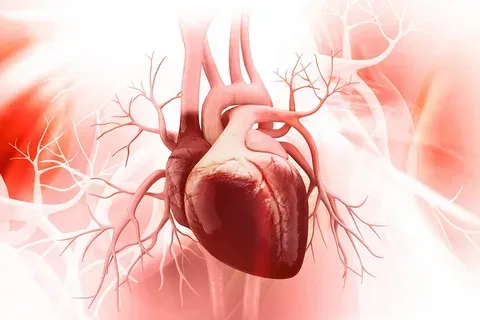
Imagine having a window into your heart. Cardiac imaging techniques do just that, offering a detailed view of your heart's structure and function. These painless tests provide valuable information that helps diagnose various heart conditions, including:
Coronary artery disease: Blockages in the heart's arteries that restrict blood flow.
Heart valve problems: Issues with the valves that regulate blood flow within the heart.
Heart failure: A condition where the heart struggles to pump blood efficiently.
Advanced imaging also plays a crucial role in planning treatment options and monitoring the effectiveness of existing therapies.
A Range of Imaging Options
The New York Center offers a variety of cardiac imaging options to suit your individual needs. Here's a closer look at a few of our key services:
Cardiac CT Scan:
Utilizing X-rays and cutting-edge computer technology, a cardiac CT scan creates detailed 3D images of your heart and coronary arteries. This offers valuable insights for detecting coronary artery disease and planning interventions.
Echocardiogram:
This painless test uses sound waves to create detailed images of your heart's chambers, valves, and blood flow. Different types of echocardiograms, like transthoracic and transesophageal, provide valuable information for diagnosing various heart conditions.
Stress Echocardiogram/Stress Test:
A stress test, often combined with an echocardiogram, evaluates how the heart functions under physical exertion. This helps identify potential blockages in the coronary arteries that may not be apparent at rest.
Why Choose The New York Heart Center for the Prevention of Heart Disease for Your Cardiac Imaging?
At our office, we prioritize accurate and detailed imaging results for a clear picture of your heart health. Additionally, we personalize our practice based on your individual needs and medical history.
By combining the results of advanced cholesterol testing and advanced imaging with a coronary CT Angiogram, we can determine if cholesterol blockage is already present in your coronary arteries and if aggressive cholesterol is necessary to prevent a heart attack.
We utilize Cleerly and Heart Flow Coronary CT Angiogram Artificial Intelligence to determine whether the cholesterol in your heart's coronary arteries are high risk, intermedial risk, or low risk.
Individualized treatment programs based upon your specific advanced Boston Heart Diagnostics lab test and coronary CT Angiograms with Cleerly and Heart Flow analysis are developed to prevent heart attacks.
Our center is unique in using the Boston Heart Diagnostics lab, which provides the most advanced testing in the US.
We routinely measure Lipoprotein and Apo B, LVL Particle Number.
Manage Your Heart Health Right Now
Don't wait to get a clear picture of your heart health. Schedule a consultation with Dr. Radwaner today to discuss your individual needs and determine if cardiac imaging is right for you. You can also learn more about specific imaging tests on our website.
Let us give you the ability to take control of your heart health and live a longer, healthier life.