Diagnosing Atrial Fibrillation: Tests and Procedures
- posted: Oct. 30, 2025
At The New York Center for the Prevention of Heart Disease in New York, NY, understanding and accurately diagnosing atrial fibrillation, or AFib, is essential to protecting long-term heart health. AFib is an irregular and often rapid heartbeat that can increase the risk of stroke, heart failure, and other complications. Because its symptoms can vary (from palpitations and fatigue to shortness of breath or no symptoms at all) diagnosis often requires a combination of careful evaluation, medical testing, and ongoing monitoring.
Recognizing the Signs and Seeking Help
Atrial fibrillation occurs when the heart’s upper chambers, the atria, beat out of sync with the lower chambers. This disruption can cause fluttering sensations, dizziness, weakness, or even chest discomfort. Some people notice episodes that come and go, while others experience a steady irregular rhythm. Even mild symptoms should never be ignored, as early detection can help prevent serious complications. Dr. Radwaner at the New York Center for the Prevention of Heart Disease emphasizes the importance of timely testing, especially for patients with high blood pressure, diabetes, or a history of heart disease.
Electrocardiogram: The Essential First Step
The electrocardiogram, or ECG, is one of the most fundamental tools for identifying AFib. This quick, painless test records the heart’s electrical activity and can reveal irregularities in rhythm or rate. A standard ECG performed in the office may capture an abnormal rhythm immediately. However, because AFib can occur intermittently, additional monitoring may be needed to catch irregularities that appear sporadically throughout the day or night.
Cardiac Monitors and Smart Watches
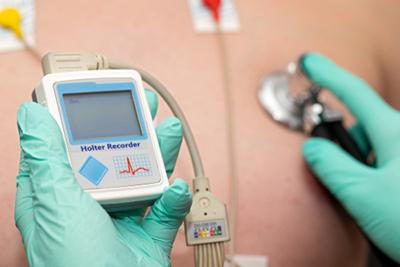
When AFib is suspected but not consistently present, doctors may recommend extended monitoring. A Holter monitor is a small device worn for 24 to 48 hours, continuously recording heart rhythms during normal daily activities. For longer-term observation, an event recorder may be used for several weeks. These devices help identify patterns that can clarify the frequency and severity of abnormal heartbeats, guiding treatment decisions with precision and accuracy. The use of smart watches such as newer model Apple Watches and Samsung watches to monitor for the asymptomatic development of atrial fibrillation is now a way of detecting "silent AF" before a stroke develops. These watches have algorithms that continuously monitor the wearer’s pulse rate and notify the wearer with an alert when they detect an abnormal rhythm. The person can then record an EKG and transmit it to Dr. Radwaner for confirmation.
Echocardiogram and Additional Assessments
Beyond rhythm monitoring, an echocardiogram provides a detailed look at the heart’s structure and function. This ultrasound-based test can identify underlying causes such as valve disease, heart enlargement, or reduced pumping strength. In some cases, advanced imaging or blood tests may be recommended to assess risk factors and rule out other cardiac conditions. Together, these diagnostic steps allow physicians to create a personalized care plan that addresses both the cause and consequences of AFib.
At The New York Center for the Prevention of Heart Disease in New York, NY, patients receive compassionate, comprehensive care grounded in expertise and early detection. If you’ve experienced unexplained fatigue, fluttering, or irregular heartbeats, don’t wait to seek evaluation. Call (212) 717-0666 today to schedule an appointment and take an active step toward a stronger, steadier heart.
- posted: Oct. 30, 2025
At The New York Center for the Prevention of Heart Disease in New York, NY, understanding and accurately diagnosing atrial fibrillation, or AFib, is essential to protecting long-term heart health. AFib is an irregular and often rapid heartbeat that can increase the risk of stroke, heart failure, and other complications. Because its symptoms can vary (from palpitations and fatigue to shortness of breath or no symptoms at all) diagnosis often requires a combination of careful evaluation, medical testing, and ongoing monitoring.
Recognizing the Signs and Seeking Help
Atrial fibrillation occurs when the heart’s upper chambers, the atria, beat out of sync with the lower chambers. This disruption can cause fluttering sensations, dizziness, weakness, or even chest discomfort. Some people notice episodes that come and go, while others experience a steady irregular rhythm. Even mild symptoms should never be ignored, as early detection can help prevent serious complications. Dr. Radwaner at the New York Center for the Prevention of Heart Disease emphasizes the importance of timely testing, especially for patients with high blood pressure, diabetes, or a history of heart disease.
Electrocardiogram: The Essential First Step
The electrocardiogram, or ECG, is one of the most fundamental tools for identifying AFib. This quick, painless test records the heart’s electrical activity and can reveal irregularities in rhythm or rate. A standard ECG performed in the office may capture an abnormal rhythm immediately. However, because AFib can occur intermittently, additional monitoring may be needed to catch irregularities that appear sporadically throughout the day or night.
Cardiac Monitors and Smart Watches
When AFib is suspected but not consistently present, doctors may recommend extended monitoring. A Holter monitor is a small device worn for 24 to 48 hours, continuously recording heart rhythms during normal daily activities. For longer-term observation, an event recorder may be used for several weeks. These devices help identify patterns that can clarify the frequency and severity of abnormal heartbeats, guiding treatment decisions with precision and accuracy. The use of smart watches such as newer model Apple Watches and Samsung watches to monitor for the asymptomatic development of atrial fibrillation is now a way of detecting "silent AF" before a stroke develops. These watches have algorithms that continuously monitor the wearer’s pulse rate and notify the wearer with an alert when they detect an abnormal rhythm. The person can then record an EKG and transmit it to Dr. Radwaner for confirmation.
Echocardiogram and Additional Assessments
Beyond rhythm monitoring, an echocardiogram provides a detailed look at the heart’s structure and function. This ultrasound-based test can identify underlying causes such as valve disease, heart enlargement, or reduced pumping strength. In some cases, advanced imaging or blood tests may be recommended to assess risk factors and rule out other cardiac conditions. Together, these diagnostic steps allow physicians to create a personalized care plan that addresses both the cause and consequences of AFib.
At The New York Center for the Prevention of Heart Disease in New York, NY, patients receive compassionate, comprehensive care grounded in expertise and early detection. If you’ve experienced unexplained fatigue, fluttering, or irregular heartbeats, don’t wait to seek evaluation. Call (212) 717-0666 today to schedule an appointment and take an active step toward a stronger, steadier heart.
The NY Center for the Prevention of Heart Disease
136 East 57th Street,
New York, NY 10022
Hours of Operation
Monday
9:00 am - 5:00 pm
Tuesday
9:00 am - 5:00 pm
Wednesday
10:00 am - 7:00 pm
Thursday
9:00 am - 5:00 pm
Friday
9:00 am - 5:00 pm
Saturday
Closed
Sunday
Closed