The Link Between High Lipoprotein(a) and Heart Disease Risk
- posted: May 27, 2025
Lipoprotein (a), often abbreviated as Lp(a), is a type of lipoprotein found in the blood that has garnered significant attention due to its association with heart disease. While cholesterol levels have long been recognized as key indicators of cardiovascular health, Lp(a) is emerging as an important factor that can influence a person's risk of developing heart disease. Dr. Bradley Radwaner and our team at The New York Center for the Prevention of Heart Disease, located in Midtown Manhattan, highly value patient education and want to help you understand the implications of high Lp(a) levels for heart health.
What Is Lipoprotein (a)?
Lipoprotein (a) is a complex particle made up of cholesterol, fats, and a protein called apolipoprotein (a). It is similar in structure to low-density lipoprotein (LDL), often referred to as "bad cholesterol." However, Lp(a) has unique properties that can contribute to cardiovascular risk. Elevated levels of Lp(a) in the blood can lead to the buildup of plaque in the arteries, increasing the likelihood of atherosclerosis, heart attacks, and strokes.
The Genetic Component of Lp(a)
One of the most significant things to know about Lp(a) is its genetic component. Unlike other lipid levels that can be influenced by diet and lifestyle, Lp(a) levels are primarily determined by genetics. This means that people with a family history of high Lp(a) levels or cardiovascular disease may be at a higher risk, regardless of their lifestyle choices. Understanding this genetic link is crucial for assessing heart disease risk and developing personalized prevention strategies.
Testing for Lipoprotein(a)
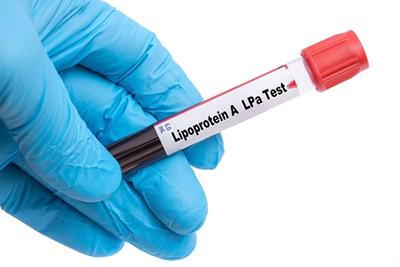
Given the significant implications of high Lp(a) levels, testing for this lipoprotein is becoming increasingly important in cardiovascular risk assessment. A simple blood test can measure Lp(a) levels, providing valuable information for both patients and healthcare providers. At The New York Center for the Prevention of Heart Disease, in Midtown Manhattan, Dr. Radwaner emphasizes the importance of discussing Lp(a) testing, especially for people with a family history of heart disease or those who have experienced cardiovascular events at a young age.
Managing High Lp(a) Levels
Currently, there are limited treatment options specifically targeting high Lp(a) levels. However, managing cardiovascular risk can still be managed. This includes adopting a heart-healthy lifestyle, which encompasses a balanced diet, regular physical activity, maintaining a healthy weight, and avoiding smoking. For people with elevated Lp(a) levels, we may recommend more aggressive management of other risk factors, such as controlling blood pressure and cholesterol levels.
Regular follow-ups with a healthcare provider can help monitor Lp(a) levels and adjust treatment plans as necessary.
Manage Your Lipoprotein (a)
Understanding the link between high lipoprotein (a) levels and heart disease risk is crucial for cardiovascular health management. By recognizing the genetic component of Lp(a), people can take proactive steps to assess their level of risk. If you have concerns about your Lp(a) levels, call The New York Center for the Prevention of Heart Disease, the Midtown Manhattan cardiology practice of Dr. Bradley Radwaner, at (212) 717-0666.
- posted: May 27, 2025
Lipoprotein (a), often abbreviated as Lp(a), is a type of lipoprotein found in the blood that has garnered significant attention due to its association with heart disease. While cholesterol levels have long been recognized as key indicators of cardiovascular health, Lp(a) is emerging as an important factor that can influence a person's risk of developing heart disease. Dr. Bradley Radwaner and our team at The New York Center for the Prevention of Heart Disease, located in Midtown Manhattan, highly value patient education and want to help you understand the implications of high Lp(a) levels for heart health.
What Is Lipoprotein (a)?
Lipoprotein (a) is a complex particle made up of cholesterol, fats, and a protein called apolipoprotein (a). It is similar in structure to low-density lipoprotein (LDL), often referred to as "bad cholesterol." However, Lp(a) has unique properties that can contribute to cardiovascular risk. Elevated levels of Lp(a) in the blood can lead to the buildup of plaque in the arteries, increasing the likelihood of atherosclerosis, heart attacks, and strokes.
The Genetic Component of Lp(a)
One of the most significant things to know about Lp(a) is its genetic component. Unlike other lipid levels that can be influenced by diet and lifestyle, Lp(a) levels are primarily determined by genetics. This means that people with a family history of high Lp(a) levels or cardiovascular disease may be at a higher risk, regardless of their lifestyle choices. Understanding this genetic link is crucial for assessing heart disease risk and developing personalized prevention strategies.
Testing for Lipoprotein(a)
Given the significant implications of high Lp(a) levels, testing for this lipoprotein is becoming increasingly important in cardiovascular risk assessment. A simple blood test can measure Lp(a) levels, providing valuable information for both patients and healthcare providers. At The New York Center for the Prevention of Heart Disease, in Midtown Manhattan, Dr. Radwaner emphasizes the importance of discussing Lp(a) testing, especially for people with a family history of heart disease or those who have experienced cardiovascular events at a young age.
Managing High Lp(a) Levels
Currently, there are limited treatment options specifically targeting high Lp(a) levels. However, managing cardiovascular risk can still be managed. This includes adopting a heart-healthy lifestyle, which encompasses a balanced diet, regular physical activity, maintaining a healthy weight, and avoiding smoking. For people with elevated Lp(a) levels, we may recommend more aggressive management of other risk factors, such as controlling blood pressure and cholesterol levels.
Regular follow-ups with a healthcare provider can help monitor Lp(a) levels and adjust treatment plans as necessary.
Manage Your Lipoprotein (a)
Understanding the link between high lipoprotein (a) levels and heart disease risk is crucial for cardiovascular health management. By recognizing the genetic component of Lp(a), people can take proactive steps to assess their level of risk. If you have concerns about your Lp(a) levels, call The New York Center for the Prevention of Heart Disease, the Midtown Manhattan cardiology practice of Dr. Bradley Radwaner, at (212) 717-0666.
The NY Center for the Prevention of Heart Disease
136 East 57th Street,
New York, NY 10022
Hours of Operation
Monday
9:00 am - 5:00 pm
Tuesday
9:00 am - 5:00 pm
Wednesday
10:00 am - 7:00 pm
Thursday
9:00 am - 5:00 pm
Friday
9:00 am - 5:00 pm
Saturday
Closed
Sunday
Closed